
La scienza dietro il gioco
In Closest Kin le risposte non sono scritte a mano. Le calcola il gioco da un albero delle parentele costruito sugli studi pubblicati.
Parenti stretti vuol dire antenato comune recente
Due animali sono parenti più stretti quando il loro ultimo antenato comune è vissuto più di recente. Ecco uno dei turni del gioco.
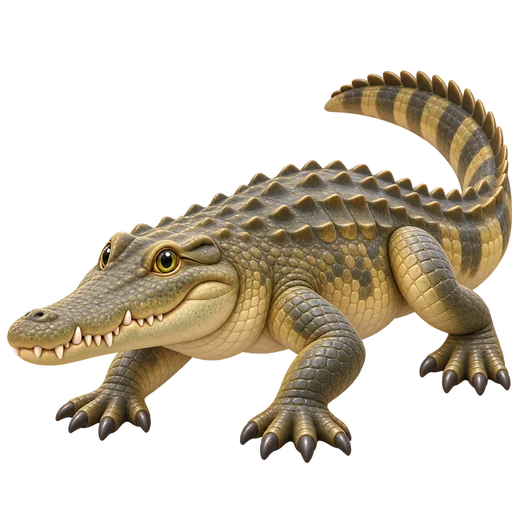 Coccodrillo del Nilo
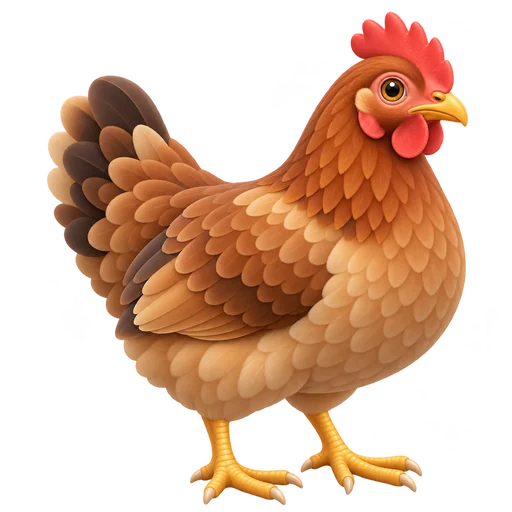 Gallina
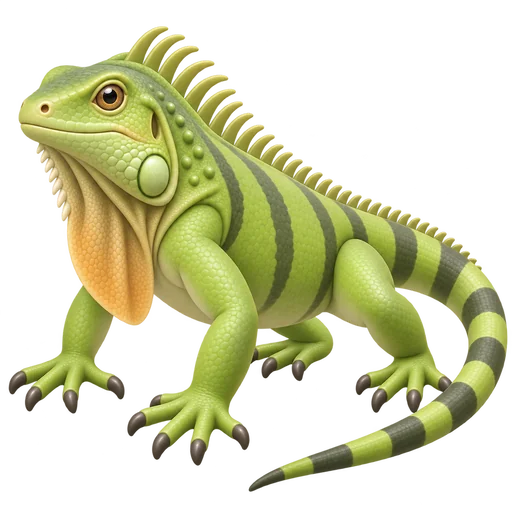 Iguana verde
Perché l’aspetto inganna
Animali lontani possono somigliarsi perché vivono allo stesso modo. Gli scienziati la chiamano convergenza: la stessa soluzione comparsa più volte, su rami diversi.
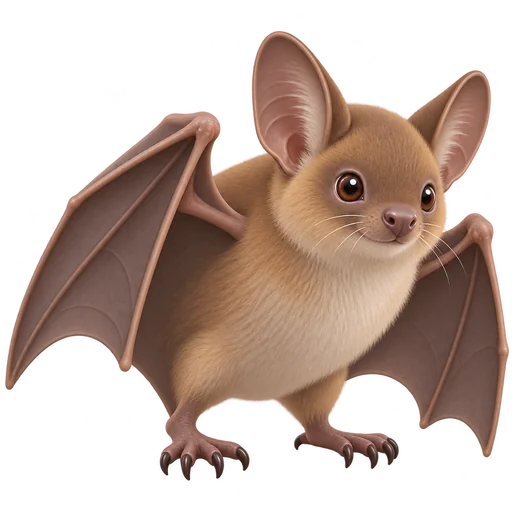
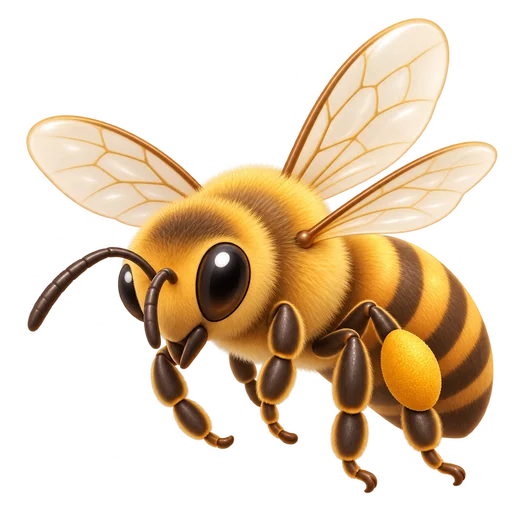
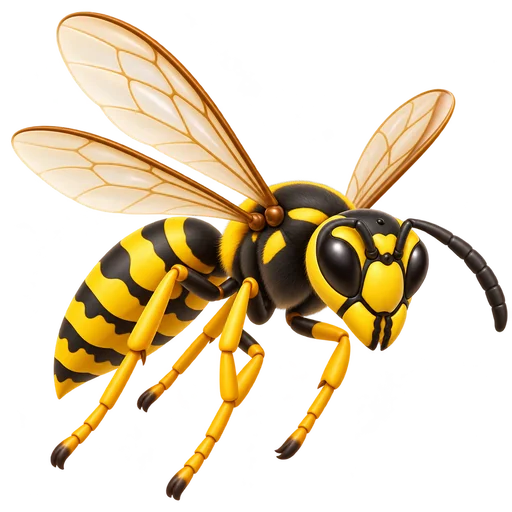
Le ali e il volo
Il volo è comparso tre volte, in modo indipendente, in insetti, uccelli e pipistrelli, e le loro ali sono fatte in modo diverso: una lamina sottile negli insetti, le penne negli uccelli, una membrana tesa tra le dita nei pipistrelli.
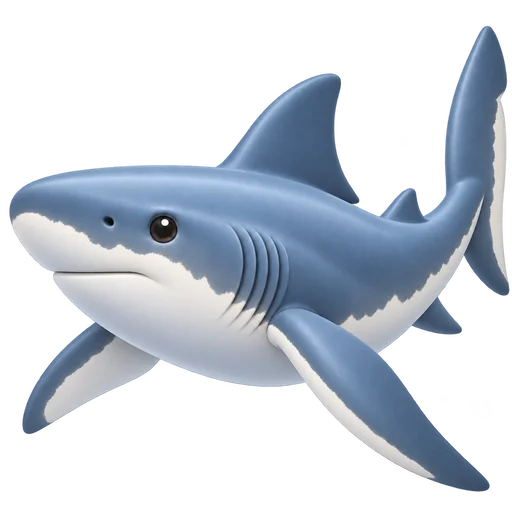

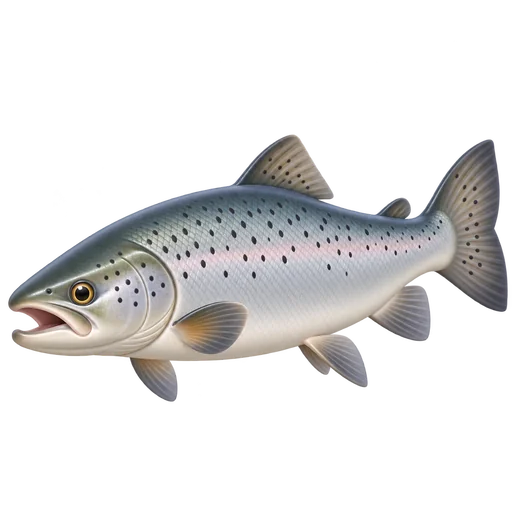
Il corpo a siluro
Questa forma aiuta a nuotare veloci ed è comparsa più volte, in modo indipendente: nei pesci, nei mammiferi marini e nei pinguini.

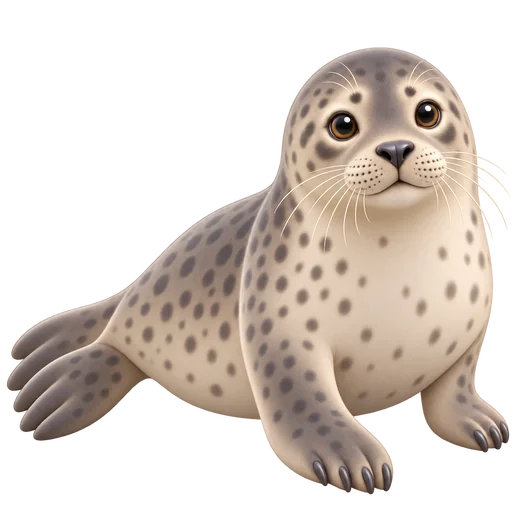

Le pinne al posto delle zampe
Le pinne sono comparse più volte, da antenati terrestri diversi. Nei mammiferi marini contengono ancora le ossa di una mano a cinque dita.
Da dove vengono parentele ed età
L’albero del gioco ha 150 specie e 136 gruppi. Ogni ramo e ogni età vengono da studi pubblicati su riviste scientifiche, 159 in tutto.
Le età sono stime. Dicono quanto tempo fa visse un antenato comune e possono cambiare quando escono studi nuovi.
Dopo ogni turno, «Fonti» mostra i lavori su cui si basa la spiegazione.
Ogni riferimento è stato controllato uno per uno su Crossref, il registro internazionale delle pubblicazioni scientifiche.
Hai trovato un errore?
La scienza si corregge, e anche il gioco. Dopo ogni spiegazione puoi segnalare un problema, oppure puoi scriverci dalla pagina Supporto.
Bibliografia
I 159 lavori su cui è costruito il gioco, in ordine alfabetico.
Mostra tutte le fonti
- Alexander Pyron R, Wiens JJ (2011). A large-scale phylogeny of Amphibia including over 2800 species, and a revised classification of extant frogs, salamanders, and caecilians. Molecular Phylogenetics and Evolution 61: 543-583. doi:10.1016/j.ympev.2011.06.012
- Alexander RM (2004). Bipedal animals, and their differences from humans. Journal of Anatomy 204: 321-330. doi:10.1111/j.0021-8782.2004.00289.x
- Álvarez-Carretero S, Tamuri AU, Battini M, Nascimento FF, Carlisle E, Asher RJ et al. (2021). A species-level timeline of mammal evolution integrating phylogenomic data. Nature 602: 263-267. doi:10.1038/s41586-021-04341-1
- Amemiya CT, Alföldi J, Lee AP, Fan S, Philippe H, MacCallum I et al. (2013). The African coelacanth genome provides insights into tetrapod evolution. Nature 496: 311-316. doi:10.1038/nature12027
- Baird RW, Dill LM (1996). Ecological and social determinants of group size in transient killer whales. Behavioral Ecology 7: 408-416. doi:10.1093/beheco/7.4.408
- Ballesteros JA, Sharma PP (2019). A Critical Appraisal of the Placement of Xiphosura (Chelicerata) with Account of Known Sources of Phylogenetic Error. Systematic Biology 68: 896-917. doi:10.1093/sysbio/syz011
- Barnett JB, Scott-Samuel NE, Cuthill IC (2016). Aposematism: balancing salience and camouflage. Biology Letters 12: 20160335. doi:10.1098/rsbl.2016.0335
- Baron MG, Norman DB, Barrett PM (2017). A new hypothesis of dinosaur relationships and early dinosaur evolution. Nature 543: 501-506. doi:10.1038/nature21700
- Benton MJ, Donoghue PCJ (2006). Paleontological Evidence to Date the Tree of Life. Molecular Biology and Evolution 24: 26-53. doi:10.1093/molbev/msl150
- Bergström A, Stanton DWG, Taron UH, Frantz L, Sinding MHS, Ersmark E et al. (2022). Grey wolf genomic history reveals a dual ancestry of dogs. Nature 607: 313-320. doi:10.1038/s41586-022-04824-9
- Betancur-R R, Wiley EO, Arratia G, Acero A, Bailly N, Miya M et al. (2017). Phylogenetic classification of bony fishes. BMC Evolutionary Biology 17: 162. doi:10.1186/s12862-017-0958-3
- Bibi F (2013). A multi-calibrated mitochondrial phylogeny of extant Bovidae (Artiodactyla, Ruminantia) and the importance of the fossil record to systematics. BMC Evolutionary Biology 13: 166. doi:10.1186/1471-2148-13-166
- Bininda-Emonds ORP, Cardillo M, Jones KE, MacPhee RDE, Beck RMD, Grenyer R et al. (2007). The delayed rise of present-day mammals. Nature 446: 507-512. doi:10.1038/nature05634
- Blanga-Kanfi S, Miranda H, Penn O, Pupko T, DeBry RW, Huchon D (2009). Rodent phylogeny revised: analysis of six nuclear genes from all major rodent clades. BMC Evolutionary Biology 9: 71. doi:10.1186/1471-2148-9-71
- Branstetter MG, Danforth BN, Pitts JP, Faircloth BC, Ward PS, Buffington ML et al. (2017). Phylogenomic Insights into the Evolution of Stinging Wasps and the Origins of Ants and Bees. Current Biology 27: 1019-1025. doi:10.1016/j.cub.2017.03.027
- Brown JH, Lasiewski RC (1972). Metabolism of Weasels: The Cost of Being Long and Thin. Ecology 53: 939-943. doi:10.2307/1934312
- Brusatte SL, Nesbitt SJ, Irmis RB, Butler RJ, Benton MJ, Norell MA (2010). The origin and early radiation of dinosaurs. Earth-Science Reviews 101: 68-100. doi:10.1016/j.earscirev.2010.04.001
- Bugnyar T, Heinrich B (2005). Ravens, Corvus corax, differentiate between knowledgeable and ignorant competitors. Proceedings of the Royal Society B: Biological Sciences 272: 1641-1646. doi:10.1098/rspb.2005.3144
- Burbrink FT, Grazziotin FG, Pyron RA, Cundall D, Donnellan S, Irish F et al. (2019). Interrogating Genomic-Scale Data for Squamata (Lizards, Snakes, and Amphisbaenians) Shows no Support for Key Traditional Morphological Relationships. Systematic Biology 69: 502-520. doi:10.1093/sysbio/syz062
- Cannon JT, Kocot KM, Waits DS, Weese DA, Swalla BJ, Santos SR et al. (2014). Phylogenomic Resolution of the Hemichordate and Echinoderm Clade. Current Biology 24: 2827-2832. doi:10.1016/j.cub.2014.10.016
- Chen L, Qiu Q, Jiang Y, Wang K, Lin Z, Li Z et al. (2019). Large-scale ruminant genome sequencing provides insights into their evolution and distinct traits. Science 364: eaav6202. doi:10.1126/science.aav6202
- Chiari Y, Cahais V, Galtier N, Delsuc F (2012). Phylogenomic analyses support the position of turtles as the sister group of birds and crocodiles (Archosauria). BMC Biology 10: 65. doi:10.1186/1741-7007-10-65
- Chimpanzee Sequencing and Analysis Consortium (2005). Initial sequence of the chimpanzee genome and comparison with the human genome. Nature 437: 69-87. doi:10.1038/nature04072
- Claramunt S, Cracraft J (2015). A new time tree reveals Earth history’s imprint on the evolution of modern birds. Science Advances 1: e1501005. doi:10.1126/sciadv.1501005
- Cloutier A, Sackton TB, Grayson P, Clamp M, Baker AJ, Edwards SV (2019). Whole-Genome Analyses Resolve the Phylogeny of Flightless Birds (Palaeognathae) in the Presence of an Empirical Anomaly Zone. Systematic Biology 68: 937-955. doi:10.1093/sysbio/syz019
- Crawford NG, Parham JF, Sellas AB, Faircloth BC, Glenn TC, Papenfuss TJ et al. (2015). A phylogenomic analysis of turtles. Molecular Phylogenetics and Evolution 83: 250-257. doi:10.1016/j.ympev.2014.10.021
- Delsuc F, Kuch M, Gibb GC, Karpinski E, Hackenberger D, Szpak P et al. (2019). Ancient Mitogenomes Reveal the Evolutionary History and Biogeography of Sloths. Current Biology 29: 2031-2042.e6. doi:10.1016/j.cub.2019.05.043
- Denoël M, Joly P (2001). Adaptive significance of facultative paedomorphosis in Triturus alpestris (Amphibia, Caudata): resource partitioning in an alpine lake. Freshwater Biology 46: 1387-1396. doi:10.1046/j.1365-2427.2001.00762.x
- Dingle H, Drake VA (2007). What Is Migration?. BioScience 57: 113-121. doi:10.1641/b570206
- dos Reis M, Thawornwattana Y, Angelis K, Telford MJ, Donoghue PC, Yang Z (2015). Uncertainty in the Timing of Origin of Animals and the Limits of Precision in Molecular Timescales. Current Biology 25: 2939-2950. doi:10.1016/j.cub.2015.09.066
- Duchêne DA, Bragg JG, Duchêne S, Neaves LE, Potter S, Moritz C et al. (2017). Analysis of Phylogenomic Tree Space Resolves Relationships Among Marsupial Families. Systematic Biology 67: 400-412. doi:10.1093/sysbio/syx076
- Dunn CW, Hejnol A, Matus DQ, Pang K, Browne WE, Smith SA et al. (2008). Broad phylogenomic sampling improves resolution of the animal tree of life. Nature 452: 745-749. doi:10.1038/nature06614
- Eizirik E, Murphy WJ, Koepfli KP, Johnson WE, Dragoo JW, Wayne RK et al. (2010). Pattern and timing of diversification of the mammalian order Carnivora inferred from multiple nuclear gene sequences. Molecular Phylogenetics and Evolution 56: 49-63. doi:10.1016/j.ympev.2010.01.033
- Emery NJ, Clayton NS (2004). The Mentality of Crows: Convergent Evolution of Intelligence in Corvids and Apes. Science 306: 1903-1907. doi:10.1126/science.1098410
- Emlen DJ (2008). The Evolution of Animal Weapons. Annual Review of Ecology, Evolution, and Systematics 39: 387-413. doi:10.1146/annurev.ecolsys.39.110707.173502
- Erwin DH, Laflamme M, Tweedt SM, Sperling EA, Pisani D, Peterson KJ (2011). The Cambrian Conundrum: Early Divergence and Later Ecological Success in the Early History of Animals. Science 334: 1091-1097. doi:10.1126/science.1206375
- Evangelista DA, Wipfler B, Béthoux O, Donath A, Fujita M, Kohli MK et al. (2019). An integrative phylogenomic approach illuminates the evolutionary history of cockroaches and termites (Blattodea). Proceedings of the Royal Society B: Biological Sciences 286: 20182076. doi:10.1098/rspb.2018.2076
- Fabre PH, Hautier L, Dimitrov D, P Douzery EJ (2012). A glimpse on the pattern of rodent diversification: a phylogenetic approach. BMC Evolutionary Biology 12: 88. doi:10.1186/1471-2148-12-88
- Feigin CY, Newton AH, Doronina L, Schmitz J, Hipsley CA, Mitchell KJ et al. (2018). Genome of the Tasmanian tiger provides insights into the evolution and demography of an extinct marsupial carnivore. Nature Ecology & Evolution 2: 182-192. doi:10.1038/s41559-017-0417-y
- Feng YJ, Blackburn DC, Liang D, Hillis DM, Wake DB, Cannatella DC et al. (2017). Phylogenomics reveals rapid, simultaneous diversification of three major clades of Gondwanan frogs at the Cretaceous–Paleogene boundary. Proceedings of the National Academy of Sciences 114. doi:10.1073/pnas.1704632114
- Figueiró HV, Li G, Trindade FJ, Assis J, Pais F, Fernandes G et al. (2017). Genome-wide signatures of complex introgression and adaptive evolution in the big cats. Science Advances 3: e1700299. doi:10.1126/sciadv.1700299
- Finn JK, Tregenza T, Norman MD (2009). Defensive tool use in a coconut-carrying octopus. Current Biology 19: R1069-R1070. doi:10.1016/j.cub.2009.10.052
- Flynn JJ, Finarelli JA, Zehr S, Hsu J, Nedbal MA (2005). Molecular Phylogeny of the Carnivora (Mammalia): Assessing the Impact of Increased Sampling on Resolving Enigmatic Relationships. Systematic Biology 54: 317-337. doi:10.1080/10635150590923326
- Foley NM, Mason VC, Harris AJ, Bredemeyer KR, Damas J, Lewin HA et al. (2023). A genomic timescale for placental mammal evolution. Science 380: eabl8189. doi:10.1126/science.abl8189
- Fuller RA, Warren PH, Gaston KJ (2007). Daytime noise predicts nocturnal singing in urban robins. Biology Letters 3: 368-370. doi:10.1098/rsbl.2007.0134
- Gatesy J, Geisler JH, Chang J, Buell C, Berta A, Meredith RW et al. (2013). A phylogenetic blueprint for a modern whale. Molecular Phylogenetics and Evolution 66: 479-506. doi:10.1016/j.ympev.2012.10.012
- Gazda SK, Connor RC, Edgar RK, Cox F (2005). A division of labour with role specialization in group–hunting bottlenose dolphins ( Tursiops truncatus ) off Cedar Key, Florida. Proceedings of the Royal Society B: Biological Sciences 272: 135-140. doi:10.1098/rspb.2004.2937
- Gemmell NJ, Rutherford K, Prost S, Tollis M, Winter D, Macey JR et al. (2020). The tuatara genome reveals ancient features of amniote evolution. Nature 584: 403-409. doi:10.1038/s41586-020-2561-9
- Gibb GC, Condamine FL, Kuch M, Enk J, Moraes-Barros N, Superina M et al. (2015). Shotgun Mitogenomics Provides a Reference Phylogenetic Framework and Timescale for Living Xenarthrans. Molecular Biology and Evolution 33: 621-642. doi:10.1093/molbev/msv250
- Giribet G, Edgecombe GD (2017). Current Understanding of Ecdysozoa and its Internal Phylogenetic Relationships. Integrative and Comparative Biology 57: 455-466. doi:10.1093/icb/icx072
- Giribet G, Edgecombe GD (2019). The Phylogeny and Evolutionary History of Arthropods. Current Biology 29: R592-R602. doi:10.1016/j.cub.2019.04.057
- Gold DA, Katsuki T, Li Y, Yan X, Regulski M, Ibberson D et al. (2018). The genome of the jellyfish Aurelia and the evolution of animal complexity. Nature Ecology & Evolution 3: 96-104. doi:10.1038/s41559-018-0719-8
- Green RE, Braun EL, Armstrong J, Earl D, Nguyen N, Hickey G et al. (2014). Three crocodilian genomes reveal ancestral patterns of evolution among archosaurs. Science 346: 1254449. doi:10.1126/science.1254449
- Güntürkün O, Bugnyar T (2016). Cognition without Cortex. Trends in Cognitive Sciences 20: 291-303. doi:10.1016/j.tics.2016.02.001
- Hailer F, Kutschera VE, Hallström BM, Klassert D, Fain SR, Leonard JA et al. (2012). Nuclear Genomic Sequences Reveal that Polar Bears Are an Old and Distinct Bear Lineage. Science 336: 344-347. doi:10.1126/science.1216424
- Hashimoto T, Horikawa DD, Saito Y, Kuwahara H, Kozuka-Hata H, Shin-I T et al. (2016). Extremotolerant tardigrade genome and improved radiotolerance of human cultured cells by tardigrade-unique protein. Nature Communications 7: 12808. doi:10.1038/ncomms12808
- Hassanin A, Ropiquet A (2004). Molecular phylogeny of the tribe Bovini (Bovidae, Bovinae) and the taxonomic status of the Kouprey, Bos sauveli Urbain 1937. Molecular Phylogenetics and Evolution 33: 896-907. doi:10.1016/j.ympev.2004.08.009
- Hassanin A, Delsuc F, Ropiquet A, Hammer C, Jansen van Vuuren B, Matthee C et al. (2011). Pattern and timing of diversification of Cetartiodactyla (Mammalia, Laurasiatheria), as revealed by a comprehensive analysis of mitochondrial genomes. Comptes Rendus. Biologies 335: 32-50. doi:10.1016/j.crvi.2011.11.002
- Hedges SB, Marin J, Suleski M, Paymer M, Kumar S (2015). Tree of Life Reveals Clock-Like Speciation and Diversification. Molecular Biology and Evolution 32: 835-845. doi:10.1093/molbev/msv037
- Heimberg AM, Cowper-Sal·lari R, Sémon M, Donoghue PCJ, Peterson KJ (2010). microRNAs reveal the interrelationships of hagfish, lampreys, and gnathostomes and the nature of the ancestral vertebrate. Proceedings of the National Academy of Sciences 107: 19379-19383. doi:10.1073/pnas.1010350107
- Hime PM, Lemmon AR, Lemmon ECM, Prendini E, Brown JM, Thomson RC et al. (2020). Phylogenomics Reveals Ancient Gene Tree Discordance in the Amphibian Tree of Life. Systematic Biology 70: 49-66. doi:10.1093/sysbio/syaa034
- Hughes LC, Ortí G, Huang Y, Sun Y, Baldwin CC, Thompson AW et al. (2018). Comprehensive phylogeny of ray-finned fishes (Actinopterygii) based on transcriptomic and genomic data. Proceedings of the National Academy of Sciences 115: 6249-6254. doi:10.1073/pnas.1719358115
- Hutchinson JR, Garcia M (2002). Tyrannosaurus was not a fast runner. Nature 415: 1018-1021. doi:10.1038/4151018a
- Inward D, Beccaloni G, Eggleton P (2007). Death of an order: a comprehensive molecular phylogenetic study confirms that termites are eusocial cockroaches. Biology Letters 3: 331-335. doi:10.1098/rsbl.2007.0102
- Irisarri I, Baurain D, Brinkmann H, Delsuc F, Sire JY, Kupfer A et al. (2017). Phylotranscriptomic consolidation of the jawed vertebrate timetree. Nature Ecology & Evolution 1: 1370-1378. doi:10.1038/s41559-017-0240-5
- Jarvis ED, Mirarab S, Aberer AJ, Li B, Houde P, Li C et al. (2014). Whole-genome analyses resolve early branches in the tree of life of modern birds. Science 346: 1320-1331. doi:10.1126/science.1253451
- Jarvis ED (2019). Evolution of vocal learning and spoken language. Science 366: 50-54. doi:10.1126/science.aax0287
- Jetz W, Pyron RA (2018). The interplay of past diversification and evolutionary isolation with present imperilment across the amphibian tree of life. Nature Ecology & Evolution 2: 850-858. doi:10.1038/s41559-018-0515-5
- Johnson WE, Eizirik E, Pecon-Slattery J, Murphy WJ, Antunes A, Teeling E et al. (2006). The Late Miocene Radiation of Modern Felidae: A Genetic Assessment. Science 311: 73-77. doi:10.1126/science.1122277
- Jónsson H, Schubert M, Seguin-Orlando A, Ginolhac A, Petersen L, Fumagalli M et al. (2014). Speciation with gene flow in equids despite extensive chromosomal plasticity. Proceedings of the National Academy of Sciences 111: 18655-18660. doi:10.1073/pnas.1412627111
- Jönsson KI, Rabbow E, Schill RO, Harms-Ringdahl M, Rettberg P (2008). Tardigrades survive exposure to space in low Earth orbit. Current Biology 18: R729-R731. doi:10.1016/j.cub.2008.06.048
- Kawahara AY, Plotkin D, Espeland M, Meusemann K, Toussaint EFA, Donath A et al. (2019). Phylogenomics reveals the evolutionary timing and pattern of butterflies and moths. Proceedings of the National Academy of Sciences 116: 22657-22663. doi:10.1073/pnas.1907847116
- Kayal E, Bentlage B, Sabrina Pankey M, Ohdera AH, Medina M, Plachetzki DC et al. (2018). Phylogenomics provides a robust topology of the major cnidarian lineages and insights on the origins of key organismal traits. BMC Evolutionary Biology 18: 68. doi:10.1186/s12862-018-1142-0
- Kimball RT, Hosner PA, Braun EL (2021). A phylogenomic supermatrix of Galliformes (Landfowl) reveals biased branch lengths. Molecular Phylogenetics and Evolution 158: 107091. doi:10.1016/j.ympev.2021.107091
- Kocot KM, Cannon JT, Todt C, Citarella MR, Kohn AB, Meyer A et al. (2011). Phylogenomics reveals deep molluscan relationships. Nature 477: 452-456. doi:10.1038/nature10382
- Kocot KM, Struck TH, Merkel J, Waits DS, Todt C, Brannock PM et al. (2016). Phylogenomics of Lophotrochozoa with Consideration of Systematic Error. Systematic Biology syw079. doi:10.1093/sysbio/syw079
- Krause J, Unger T, Noçon A, Malaspinas AS, Kolokotronis SO, Stiller M et al. (2008). Mitochondrial genomes reveal an explosive radiation of extinct and extant bears near the Miocene-Pliocene boundary. BMC Evolutionary Biology 8: 220. doi:10.1186/1471-2148-8-220
- Kuhl H, Frankl-Vilches C, Bakker A, Mayr G, Nikolaus G, Boerno ST et al. (2020). An Unbiased Molecular Approach Using 3′-UTRs Resolves the Avian Family-Level Tree of Life. Molecular Biology and Evolution 38: 108-127. doi:10.1093/molbev/msaa191
- Laumer CE, Fernández R, Lemer S, Combosch D, Kocot KM, Riesgo A et al. (2019). Revisiting metazoan phylogeny with genomic sampling of all phyla. Proceedings of the Royal Society B: Biological Sciences 286: 20190831. doi:10.1098/rspb.2019.0831
- Law CJ, Slater GJ, Mehta RS (2017). Lineage Diversity and Size Disparity in Musteloidea: Testing Patterns of Adaptive Radiation Using Molecular and Fossil-Based Methods. Systematic Biology 67: 127-144. doi:10.1093/sysbio/syx047
- Law CJ, Slater GJ, Mehta RS (2019). Shared extremes by ectotherms and endotherms: Body elongation in mustelids is associated with small size and reduced limbs. Evolution 73: 735-749. doi:10.1111/evo.13702
- Lemelin P (1999). Morphological correlates of substrate use in didelphid marsupials: implications for primate origins. Journal of Zoology 247: 165-175. doi:10.1111/j.1469-7998.1999.tb00980.x
- Li G, Davis BW, Eizirik E, Murphy WJ (2015). Phylogenomic evidence for ancient hybridization in the genomes of living cats (Felidae). Genome Research 26: 1-11. doi:10.1101/gr.186668.114
- Liu S, Lorenzen ED, Fumagalli M, Li B, Harris K, Xiong Z et al. (2014). Population Genomics Reveal Recent Speciation and Rapid Evolutionary Adaptation in Polar Bears. Cell 157: 785-794. doi:10.1016/j.cell.2014.03.054
- Locke DP, Hillier LW, Warren WC, Worley KC, Nazareth LV, Muzny DM et al. (2011). Comparative and demographic analysis of orang-utan genomes. Nature 469: 529-533. doi:10.1038/nature09687
- Lozano-Fernandez J, Tanner AR, Giacomelli M, Carton R, Vinther J, Edgecombe GD et al. (2019). Increasing species sampling in chelicerate genomic-scale datasets provides support for monophyly of Acari and Arachnida. Nature Communications 10: 2295. doi:10.1038/s41467-019-10244-7
- Manton SM (1954). THE EVOLUTION OF ARTHROPODAN LOCOMOTORY MECHANISMS.-PART 4. THE STRUCTURE, HABITS AND EVOLUTION OF THE DIPLOPODA. Journal of the Linnean Society of London, Zoology 42: 299-368. doi:10.1111/j.1096-3642.1954.tb02211.x
- Marek PE, Buzatto BA, Shear WA, Means JC, Black DG, et al. (2021). The first true millipede—1306 legs long. Scientific Reports 11. doi:10.1038/s41598-021-02447-0
- Marjanović D, Witzmann F (2015). An Extremely Peramorphic Newt (Urodela: Salamandridae: Pleurodelini) from the Latest Oligocene of Germany, and a New Phylogenetic Analysis of Extant and Extinct Salamandrids. PLOS ONE 10: e0137068. doi:10.1371/journal.pone.0137068
- McGowen MR, Tsagkogeorga G, Álvarez-Carretero S, dos Reis M, Struebig M, Deaville R et al. (2019). Phylogenomic Resolution of the Cetacean Tree of Life Using Target Sequence Capture. Systematic Biology 69: 479-501. doi:10.1093/sysbio/syz068
- McKenna DD, Shin S, Ahrens D, Balke M, Beza-Beza C, Clarke DJ et al. (2019). The evolution and genomic basis of beetle diversity. Proceedings of the National Academy of Sciences 116: 24729-24737. doi:10.1073/pnas.1909655116
- Meredith RW, Janečka JE, Gatesy J, Ryder OA, Fisher CA, Teeling EC et al. (2011). Impacts of the Cretaceous Terrestrial Revolution and KPg Extinction on Mammal Diversification. Science 334: 521-524. doi:10.1126/science.1211028
- Meyer A, Schloissnig S, Franchini P, Du K, Woltering JM, Irisarri I et al. (2021). Giant lungfish genome elucidates the conquest of land by vertebrates. Nature 590: 284-289. doi:10.1038/s41586-021-03198-8
- Misof B, Liu S, Meusemann K, Peters RS, Donath A, Mayer C et al. (2014). Phylogenomics resolves the timing and pattern of insect evolution. Science 346: 763-767. doi:10.1126/science.1257570
- Mitchell KJ, Llamas B, Soubrier J, Rawlence NJ, Worthy TH, Wood J et al. (2014). Ancient DNA reveals elephant birds and kiwi are sister taxa and clarifies ratite bird evolution. Science 344: 898-900. doi:10.1126/science.1251981
- Moorjani P, Amorim CEG, Arndt PF, Przeworski M (2016). Variation in the molecular clock of primates. Proceedings of the National Academy of Sciences 113: 10607-10612. doi:10.1073/pnas.1600374113
- Moum T, Arnason U, Árnason E (2002). Mitochondrial DNA Sequence Evolution and Phylogeny of the Atlantic Alcidae, Including the Extinct Great Auk (Pinguinus impennis). Molecular Biology and Evolution 19: 1434-1439. doi:10.1093/oxfordjournals.molbev.a004206
- Murphy WJ, Eizirik E, O'Brien SJ, Madsen O, Scally M, Douady CJ et al. (2001). Resolution of the Early Placental Mammal Radiation Using Bayesian Phylogenetics. Science 294: 2348-2351. doi:10.1126/science.1067179
- Nakatani M, Miya M, Mabuchi K, Saitoh K, Nishida M (2011). Evolutionary history of Otophysi (Teleostei), a major clade of the modern freshwater fishes: Pangaean origin and Mesozoic radiation. BMC Evolutionary Biology 11. doi:10.1186/1471-2148-11-177
- Near TJ, Eytan RI, Dornburg A, Kuhn KL, Moore JA, Davis MP et al. (2012). Resolution of ray-finned fish phylogeny and timing of diversification. Proceedings of the National Academy of Sciences 109: 13698-13703. doi:10.1073/pnas.1206625109
- Nikaido M, Rooney AP, Okada N (1999). Phylogenetic relationships among cetartiodactyls based on insertions of short and long interpersed elements: Hippopotamuses are the closest extant relatives of whales. Proceedings of the National Academy of Sciences 96: 10261-10266. doi:10.1073/pnas.96.18.10261
- Nilsson MA, Churakov G, Sommer M, Tran NV, Zemann A, Brosius J et al. (2010). Tracking Marsupial Evolution Using Archaic Genomic Retroposon Insertions. PLoS Biology 8: e1000436. doi:10.1371/journal.pbio.1000436
- Nowoshilow S, Schloissnig S, Fei JF, Dahl A, Pang AWC, Pippel M et al. (2018). The axolotl genome and the evolution of key tissue formation regulators. Nature 554: 50-55. doi:10.1038/nature25458
- Nyakatura K, Bininda-Emonds OR (2012). Updating the evolutionary history of Carnivora (Mammalia): a new species-level supertree complete with divergence time estimates. BMC Biology 10: 12. doi:10.1186/1741-7007-10-12
- Oliveros CH, Field DJ, Ksepka DT, Barker FK, Aleixo A, Andersen MJ et al. (2019). Earth history and the passerine superradiation. Proceedings of the National Academy of Sciences 116: 7916-7925. doi:10.1073/pnas.1813206116
- Orlando L, Ginolhac A, Zhang G, Froese D, Albrechtsen A, Stiller M et al. (2013). Recalibrating Equus evolution using the genome sequence of an early Middle Pleistocene horse. Nature 499: 74-78. doi:10.1038/nature12323
- Packer C, Ruttan L (1988). The Evolution of Cooperative Hunting. The American Naturalist 132: 159-198. doi:10.1086/284844
- Paijmans JL, Barnett R, Gilbert MTP, Zepeda-Mendoza ML, Reumer JW, de Vos J et al. (2017). Evolutionary History of Saber-Toothed Cats Based on Ancient Mitogenomics. Current Biology 27: 3330-3336.e5. doi:10.1016/j.cub.2017.09.033
- Palkopoulou E, Lipson M, Mallick S, Nielsen S, Rohland N, Baleka S et al. (2018). A comprehensive genomic history of extinct and living elephants. Proceedings of the National Academy of Sciences 115. doi:10.1073/pnas.1720554115
- Pereira SL, Johnson KP, Clayton DH, Baker AJ (2007). Mitochondrial and Nuclear DNA Sequences Support a Cretaceous Origin of Columbiformes and a Dispersal-Driven Radiation in the Paleogene. Systematic Biology 56: 656-672. doi:10.1080/10635150701549672
- Perelman P, Johnson WE, Roos C, Seuánez HN, Horvath JE, Moreira MAM et al. (2011). A Molecular Phylogeny of Living Primates. PLoS Genetics 7: e1001342. doi:10.1371/journal.pgen.1001342
- Peters RS, Krogmann L, Mayer C, Donath A, Gunkel S, Meusemann K et al. (2017). Evolutionary History of the Hymenoptera. Current Biology 27: 1013-1018. doi:10.1016/j.cub.2017.01.027
- Poole JH, Tyack PL, Stoeger-Horwath AS, Watwood S (2005). Elephants are capable of vocal learning. Nature 434: 455-456. doi:10.1038/434455a
- Prado-Martinez J, Sudmant PH, Kidd JM, Li H, Kelley JL, Lorente-Galdos B et al. (2013). Great ape genetic diversity and population history. Nature 499: 471-475. doi:10.1038/nature12228
- Prum RO, Berv JS, Dornburg A, Field DJ, Townsend JP, Lemmon EM et al. (2015). A comprehensive phylogeny of birds (Aves) using targeted next-generation DNA sequencing. Nature 526: 569-573. doi:10.1038/nature15697
- Pyron R, Burbrink FT, Wiens JJ (2013). A phylogeny and revised classification of Squamata, including 4161 species of lizards and snakes. BMC Evolutionary Biology 13: 93. doi:10.1186/1471-2148-13-93
- Quillin KJ (2000). Ontogenetic Scaling of Burrowing Forces in the Earthworm Lumbricus Terrestris. Journal of Experimental Biology 203: 2757-2770. doi:10.1242/jeb.203.18.2757
- Regier JC, Shultz JW, Zwick A, Hussey A, Ball B, Wetzer R et al. (2010). Arthropod relationships revealed by phylogenomic analysis of nuclear protein-coding sequences. Nature 463: 1079-1083. doi:10.1038/nature08742
- Reichmuth C, Casey C (2014). Vocal learning in seals, sea lions, and walruses. Current Opinion in Neurobiology 28: 66-71. doi:10.1016/j.conb.2014.06.011
- Ritz T, Adem S, Schulten K (2000). A Model for Photoreceptor-Based Magnetoreception in Birds. Biophysical Journal 78: 707-718. doi:10.1016/S0006-3495(00)76629-X
- Rohland N, Malaspinas AS, Pollack JL, Slatkin M, Matheus P, Hofreiter M (2007). Proboscidean Mitogenomics: Chronology and Mode of Elephant Evolution Using Mastodon as Outgroup. PLoS Biology 5: e207. doi:10.1371/journal.pbio.0050207
- Rota-Stabelli O, Campbell L, Brinkmann H, Edgecombe GD, Longhorn SJ, Peterson KJ et al. (2010). A congruent solution to arthropod phylogeny: phylogenomics, microRNAs and morphology support monophyletic Mandibulata. Proceedings of the Royal Society B: Biological Sciences 278: 298-306. doi:10.1098/rspb.2010.0590
- Rota-Stabelli O, Daley AC, Pisani D (2013). Molecular Timetrees Reveal a Cambrian Colonization of Land and a New Scenario for Ecdysozoan Evolution. Current Biology 23: 392-398. doi:10.1016/j.cub.2013.01.026
- Sackton TB, Grayson P, Cloutier A, Hu Z, Liu JS, Wheeler NE et al. (2019). Convergent regulatory evolution and loss of flight in paleognathous birds. Science 364: 74-78. doi:10.1126/science.aat7244
- Scally A, Dutheil JY, Hillier LW, Jordan GE, Goodhead I, Herrero J et al. (2012). Insights into hominid evolution from the gorilla genome sequence. Nature 483: 169-175. doi:10.1038/nature10842
- Schmidt PA, Mech LD (1997). Wolf Pack Size And Food Acquisition. The American Naturalist 150: 513-517. doi:10.1086/286079
- Schwentner M, Combosch DJ, Pakes Nelson J, Giribet G (2017). A Phylogenomic Solution to the Origin of Insects by Resolving Crustacean-Hexapod Relationships. Current Biology 27: 1818-1824.e5. doi:10.1016/j.cub.2017.05.040
- Shapiro B, Sibthorpe D, Rambaut A, Austin J, Wragg GM, Bininda-Emonds ORP et al. (2002). Flight of the Dodo. Science 295: 1683-1683. doi:10.1126/science.295.5560.1683
- Sharma PP, Fernández R, Esposito LA, González-Santillán E, Monod L (2015). Phylogenomic resolution of scorpions reveals multilevel discordance with morphological phylogenetic signal. Proceedings of the Royal Society B: Biological Sciences 282: 20142953. doi:10.1098/rspb.2014.2953
- Skoglund P, Ersmark E, Palkopoulou E, Dalén L (2015). Ancient Wolf Genome Reveals an Early Divergence of Domestic Dog Ancestors and Admixture into High-Latitude Breeds. Current Biology 25: 1515-1519. doi:10.1016/j.cub.2015.04.019
- Smith JJ, Kuraku S, Holt C, Sauka-Spengler T, Jiang N, Campbell MS et al. (2013). Sequencing of the sea lamprey (Petromyzon marinus) genome provides insights into vertebrate evolution. Nature Genetics 45: 415-421. doi:10.1038/ng.2568
- Smith SA, Wilson NG, Goetz FE, Feehery C, Andrade SCS, Rouse GW et al. (2011). Resolving the evolutionary relationships of molluscs with phylogenomic tools. Nature 480: 364-367. doi:10.1038/nature10526
- Soares AER, Novak BJ, Haile J, Heupink TH, Fjeldså J, Gilbert MTP et al. (2016). Complete mitochondrial genomes of living and extinct pigeons revise the timing of the columbiform radiation. BMC Evolutionary Biology 16: 230. doi:10.1186/s12862-016-0800-3
- Springer MS, Murphy WJ, Eizirik E, O'Brien SJ (2003). Placental mammal diversification and the Cretaceous–Tertiary boundary. Proceedings of the National Academy of Sciences 100: 1056-1061. doi:10.1073/pnas.0334222100
- Stander PE (1992). Cooperative hunting in lions: the role of the individual. Behavioral Ecology and Sociobiology 29. doi:10.1007/bf00170175
- Steppan SJ, Adkins RM, Anderson J (2004). Phylogeny and Divergence-Date Estimates of Rapid Radiations in Muroid Rodents Based on Multiple Nuclear Genes. Systematic Biology 53: 533-553. doi:10.1080/10635150490468701
- Stiller J, Feng S, Chowdhury AA, Rivas-González I, Duchêne DA, Fang Q et al. (2024). Complexity of avian evolution revealed by family-level genomes. Nature 629: 851-860. doi:10.1038/s41586-024-07323-1
- Stoeger AS, Mietchen D, Oh S, de Silva S, Herbst CT, Kwon S et al. (2012). An Asian Elephant Imitates Human Speech. Current Biology 22: 2144-2148. doi:10.1016/j.cub.2012.09.022
- Suh A (2016). The phylogenomic forest of bird trees contains a hard polytomy at the root of Neoaves. Zoologica Scripta 45: 50-62. doi:10.1111/zsc.12213
- Tarver JE, dos Reis M, Mirarab S, Moran RJ, Parker S, O’Reilly JE et al. (2016). The Interrelationships of Placental Mammals and the Limits of Phylogenetic Inference. Genome Biology and Evolution 8: 330-344. doi:10.1093/gbe/evv261
- Telford MJ, Lowe CJ, Cameron CB, Ortega-Martinez O, Aronowicz J, Oliveri P et al. (2014). Phylogenomic analysis of echinoderm class relationships supports Asterozoa. Proceedings of the Royal Society B: Biological Sciences 281: 20140479. doi:10.1098/rspb.2014.0479
- Thewissen JGM, Cooper LN, Clementz MT, Bajpai S, Tiwari BN (2007). Whales originated from aquatic artiodactyls in the Eocene epoch of India. Nature 450: 1190-1194. doi:10.1038/nature06343
- Tschopp E, Mateus O, Benson RB (2015). A specimen-level phylogenetic analysis and taxonomic revision of Diplodocidae (Dinosauria, Sauropoda). PeerJ 3: e857. doi:10.7717/peerj.857
- Upham NS, Esselstyn JA, Jetz W (2019). Inferring the mammal tree: Species-level sets of phylogenies for questions in ecology, evolution, and conservation. PLOS Biology 17: e3000494. doi:10.1371/journal.pbio.3000494
- Veith M, Bogaerts S, Pasmans F, Kieren S (2018). The changing views on the evolutionary relationships of extant Salamandridae (Amphibia: Urodela). PLOS ONE 13: e0198237. doi:10.1371/journal.pone.0198237
- Veron G, Colyn M, Dunham AE, Taylor P, Gaubert P (2004). Molecular systematics and origin of sociality in mongooses (Herpestidae, Carnivora). Molecular Phylogenetics and Evolution 30: 582-598. doi:10.1016/s1055-7903(03)00229-x
- Wada S, Kawano-Yamashita E, Koyanagi M, Terakita A (2012). Expression of UV-Sensitive Parapinopsin in the Iguana Parietal Eyes and Its Implication in UV-Sensitivity in Vertebrate Pineal-Related Organs. PLoS ONE 7: e39003. doi:10.1371/journal.pone.0039003
- Wang Z, Pascual-Anaya J, Zadissa A, Li W, Niimura Y, Huang Z et al. (2013). The draft genomes of soft-shell turtle and green sea turtle yield insights into the development and evolution of the turtle-specific body plan. Nature Genetics 45: 701-706. doi:10.1038/ng.2615
- Warren WC, Hillier LW, Marshall Graves JA, et al. (2008). Genome analysis of the platypus reveals unique signatures of evolution. Nature 453: 175-183. doi:10.1038/nature06936
- Westbury MV, Barnett R, Sandoval-Velasco M, Gower G, Vieira FG, de Manuel M et al. (2021). A genomic exploration of the early evolution of extant cats and their sabre-toothed relatives. Open Research Europe 1: 25. doi:10.12688/openreseurope.13104.2
- Wiegmann BM, Trautwein MD, Winkler IS, Barr NB, Kim JW, Lambkin C et al. (2011). Episodic radiations in the fly tree of life. Proceedings of the National Academy of Sciences 108: 5690-5695. doi:10.1073/pnas.1012675108
- Wilson AM, Lowe JC, Roskilly K, Hudson PE, Golabek KA, McNutt JW (2013). Locomotion dynamics of hunting in wild cheetahs. Nature 498: 185-189. doi:10.1038/nature12295
- Wipfler B, Letsch H, Frandsen PB, Kapli P, Mayer C, Bartel D et al. (2019). Evolutionary history of Polyneoptera and its implications for our understanding of early winged insects. Proceedings of the National Academy of Sciences 116: 3024-3029. doi:10.1073/pnas.1817794116
- Wolfe JM, Breinholt JW, Crandall KA, Lemmon AR, Lemmon EM, Timm LE et al. (2019). A phylogenomic framework, evolutionary timeline and genomic resources for comparative studies of decapod crustaceans. Proceedings of the Royal Society B: Biological Sciences 286: 20190079. doi:10.1098/rspb.2019.0079
- Zaher H, Murphy RW, Arredondo JC, Graboski R, Machado-Filho PR, Mahlow K et al. (2019). Large-scale molecular phylogeny, morphology, divergence-time estimation, and the fossil record of advanced caenophidian snakes (Squamata: Serpentes). PLOS ONE 14: e0216148. doi:10.1371/journal.pone.0216148
- Zapata F, Goetz FE, Smith SA, Howison M, Siebert S, Church SH et al. (2015). Phylogenomic Analyses Support Traditional Relationships within Cnidaria. PLOS ONE 10: e0139068. doi:10.1371/journal.pone.0139068
- Zhao M, Burleigh JG, Olsson U, Alström P, Kimball RT (2023). A near-complete and time-calibrated phylogeny of the Old World flycatchers, robins and chats (Aves, Muscicapidae). Molecular Phylogenetics and Evolution 178: 107646. doi:10.1016/j.ympev.2022.107646
- Zheng Y, Wiens JJ (2016). Combining phylogenomic and supermatrix approaches, and a time-calibrated phylogeny for squamate reptiles (lizards and snakes) based on 52 genes and 4162 species. Molecular Phylogenetics and Evolution 94: 537-547. doi:10.1016/j.ympev.2015.10.009
- Zoonomia Consortium (Genereux DP et al.) (2020). A comparative genomics multitool for scientific discovery and conservation. Nature 587: 240-245. doi:10.1038/s41586-020-2876-6